-
Title
-
Dred Scott
-
Description
-
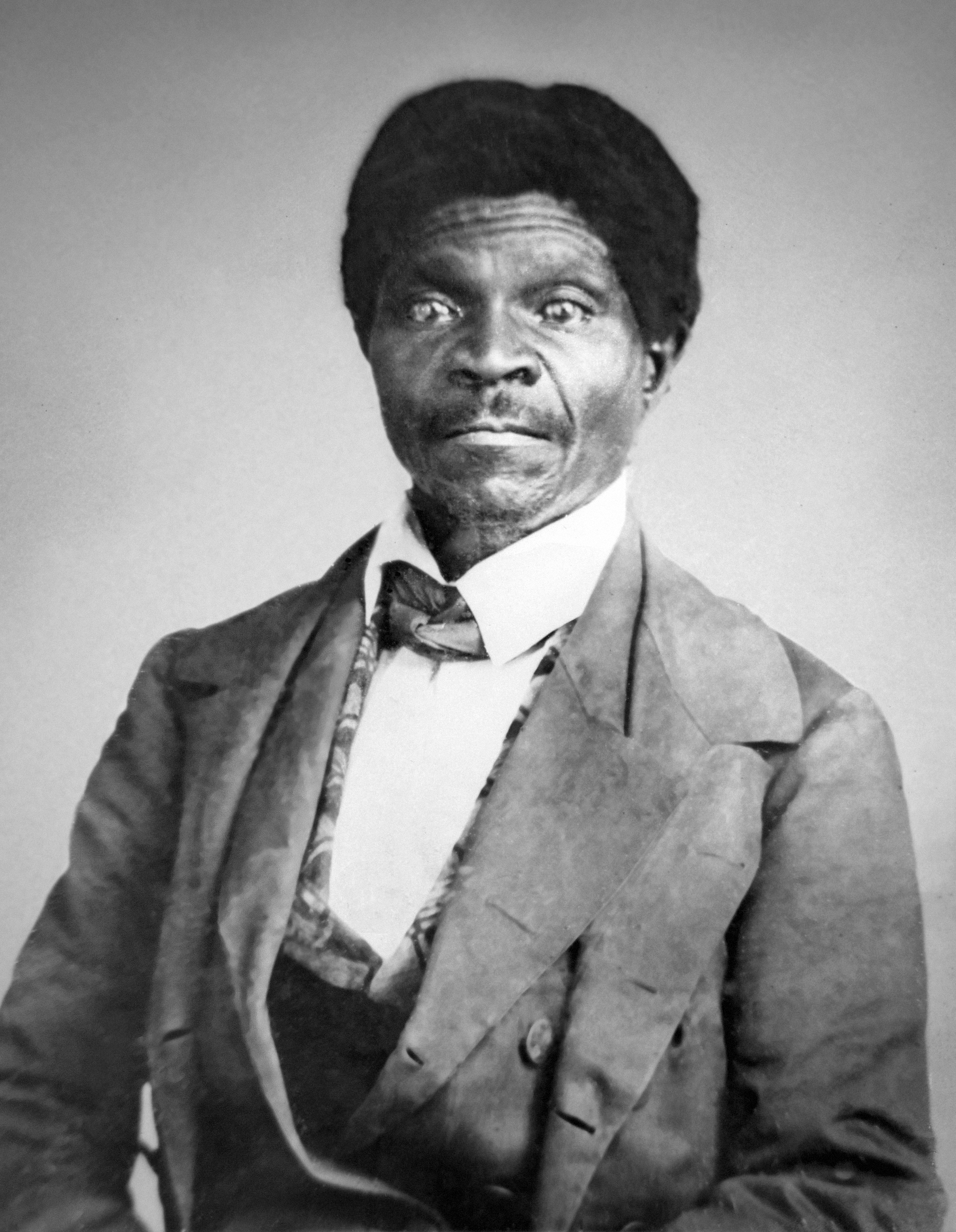
Dred Scott sued for his and his family's freedom in the 1857 case Dred Scott v. Sandford, whose conclusion that the Scotts were not free and no Black person was considered a U.S. citzen is known as 'The Dred Scott Decision.' For four decades leading up to this case, enslaved people could sue for their freedom and win due to the 'once free, always free’ concept. This applied to enslaved people who had spent some time in a free state, as Dred Scott and his wife Harriet had done. After they traveled south to St. Louis with their enslaver, Dr. John Emerson, they faced the uncertainty over their freedom and keeping their family together. When Emerson died, Scott first attempted to purchase his freedom, but Emerson's wife, Irene Sanford, refused. Scott sued and his case eventually reached the United States Supreme Court. Scott was never able to gain his freedom in court, but eventually Irene Sanford transferred the Scotts to Henry Taylor Blow, the son of Dred Scott’s enslaver before Emerson, who granted the family their freedom.